Thriving Through Change: Why Agility Is the Real Competitive Advantage in 2025
In a time defined by shifting markets, emerging technologies, and evolving customer expectations, one quality is standing out as the strongest predictor of business success: agility.
Businesses that adapt quickly — not by reacting in panic, but by making smart, strategic adjustments — are the ones seeing opportunities where others see uncertainty. Agility is no longer a “nice to have” trait. It’s the core of long-term resilience.
But what does agility really look like in practice?
- Quick Decisions, Backed by Good Information
Fast decisions don’t have to be risky. The most agile companies are those that have built strong internal processes, clear communication routes, and up-to-date data systems. They can move swiftly because they already know where they stand.
Whether it’s reviewing KPIs regularly, embracing better digital tools, or tightening up internal workflows, small operational improvements build the foundation for confident business decision-making.

- Doing More With What You Have
With budgets under scrutiny and teams stretched thin, many businesses are re-evaluating how they use their space, their people, and their resources. This is not a negative trend — in fact, it’s creating real innovation.
Companies are:
- repurposing underused spaces
- consolidating scattered offices
- Reducing long-term costs through smarter layouts
- Shifting to hybrid models with flexible, purpose-driven environments
This kind of resource optimisation doesn’t just reduce overheads. It boosts productivity, morale, and collaboration.
- Investing in Culture, Not Just Infrastructure
Agile businesses recognise that people are at the heart of everything. Employees who feel supported, trusted, and heard adapt far better to change than those who feel like they’re being “dragged along for the ride.”
In 2025, we’re already seeing a rise in:
- transparent leadership communication,
- flexible working patterns,
- mental-health-aware management styles,
- team-centred planning.
Strong culture remains one of the most powerful competitive advantages — and it’s completely within a business’s control.
- When Agility Requires Physical Change
Sometimes agility means updating a process; sometimes it means reshaping the entire working environment.
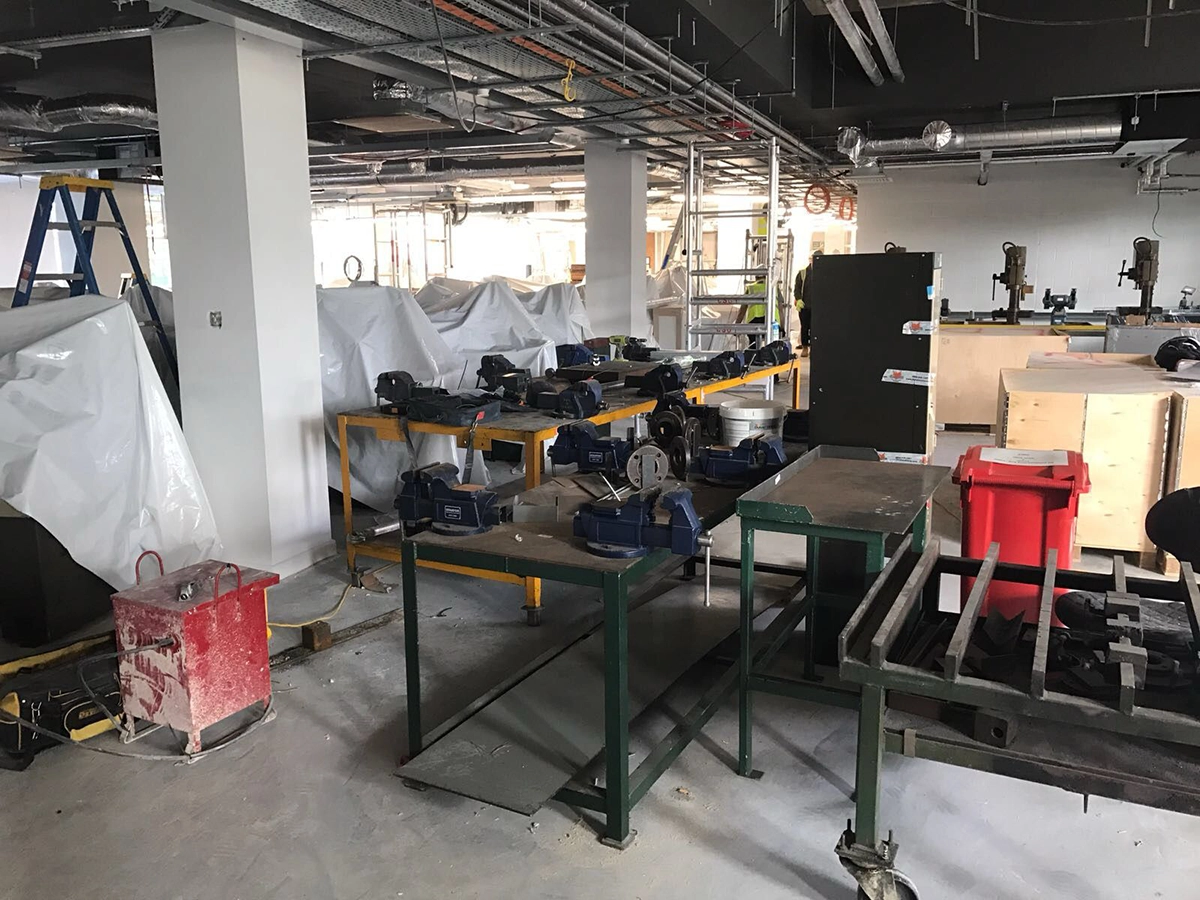
That’s where physical logistics come into play. Businesses looking to consolidate space, reconfigure layouts, or relocate to more cost-effective or strategically positioned premises are doing so not to cut back — but to move forward.
A well-planned commercial relocation can:
- reduce operating costs
- create a more efficient workspace
- improve employee experience
- and support long-term scalability
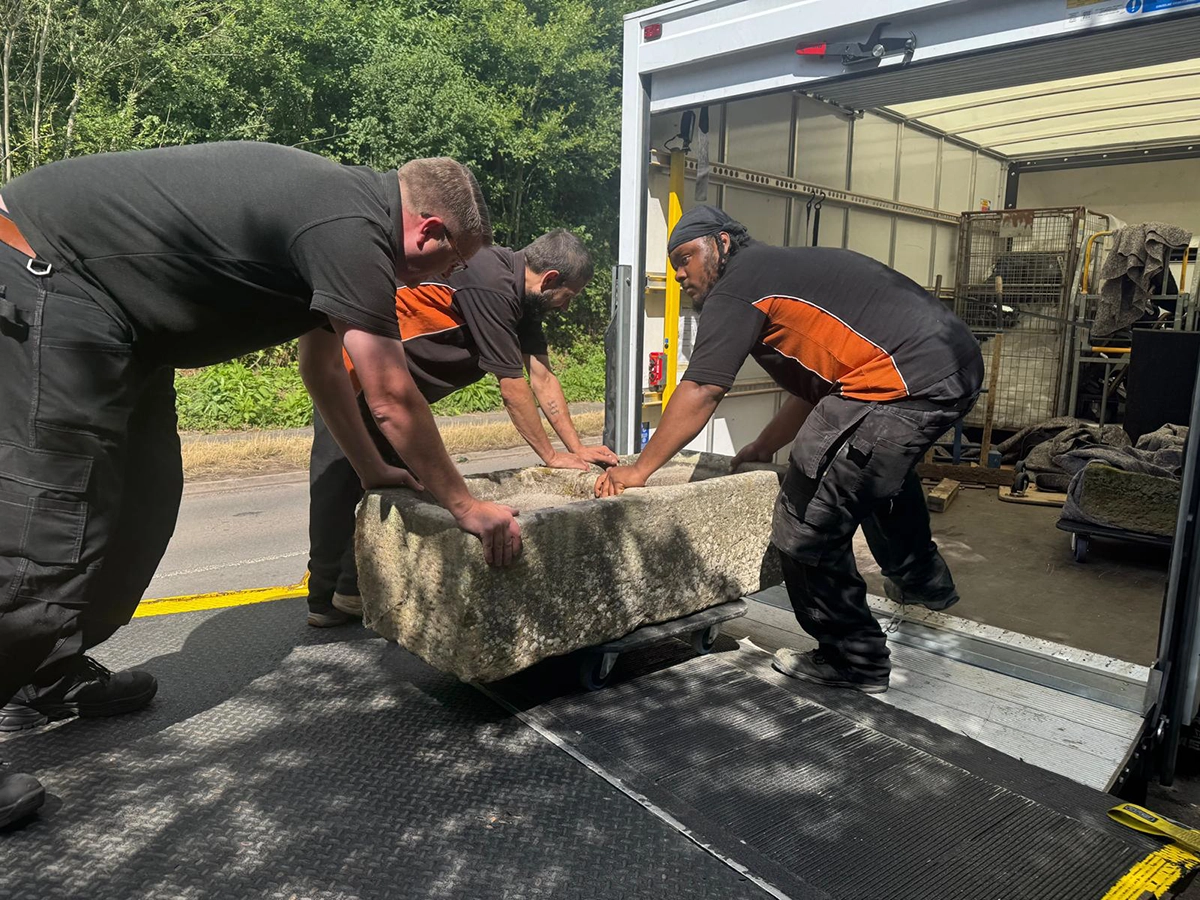
Just as operational changes require the right partners, so do physical transitions. Specialist commercial relocation support ensures minimal downtime, protection of valuable equipment, and a structured plan aligned with business goals.
For example, at JTS Relocations, we’re seeing more companies use moves as an opportunity to streamline, future-proof, and create space that truly supports modern working.
- Agility Creates Momentum
When a business shows it can adapt — confidently and without friction — it sends a clear signal to staff, clients, and stakeholders:
“We’re not just surviving change. We’re using it.”
Momentum builds trust. Trust builds opportunity. And opportunity is how organisations not only stay competitive but thrive through economic cycles.
Closing Thought
Change can feel daunting, but it also presents a unique moment to strengthen, refine, and rebuild purposefully. The businesses that come out strongest in 2025 will be the ones that embrace agility as a long-term strategy — not a short-term reaction.
And when agility calls for a physical shift, the right commercial relocation support can make that transition smoother, smarter, and fully aligned with the business you’re becoming.
To see how JTS can help prosper from relocation, contact us.

Moving to new beginnings.